How to Outsource IT Projects Without Compromising Data Security

Outsourcing IT projects offers significant advantages, including cost savings, access to specialized skills, and faster project delivery. However, one of the biggest concerns when outsourcing IT projects is data security. Handing over sensitive information to external vendors or third-party developers introduces the risk of data breaches, intellectual property theft, and non-compliance with data protection regulations. For companies outsourcing IT projects, protecting their data while benefit...

Table of contents (11)
- 1. Conduct a Thorough Vendor Risk Assessment
- 2. Sign a Comprehensive Non-Disclosure Agreement (NDA)
- 3. Limit Data Access Based on the Principle of Least Privilege
- 4. Encrypt Data Both at Rest and In Transit
- 5. Implement Multi-Factor Authentication (MFA)
- 6. Ensure Compliance with Data Protection Regulations
- 7. Regularly Monitor and Audit Vendor Activities
- 8. Establish Incident Response and Contingency Plans
- Read more
- Get in Touch
- Request Your Invite – Exclusive Roundtable
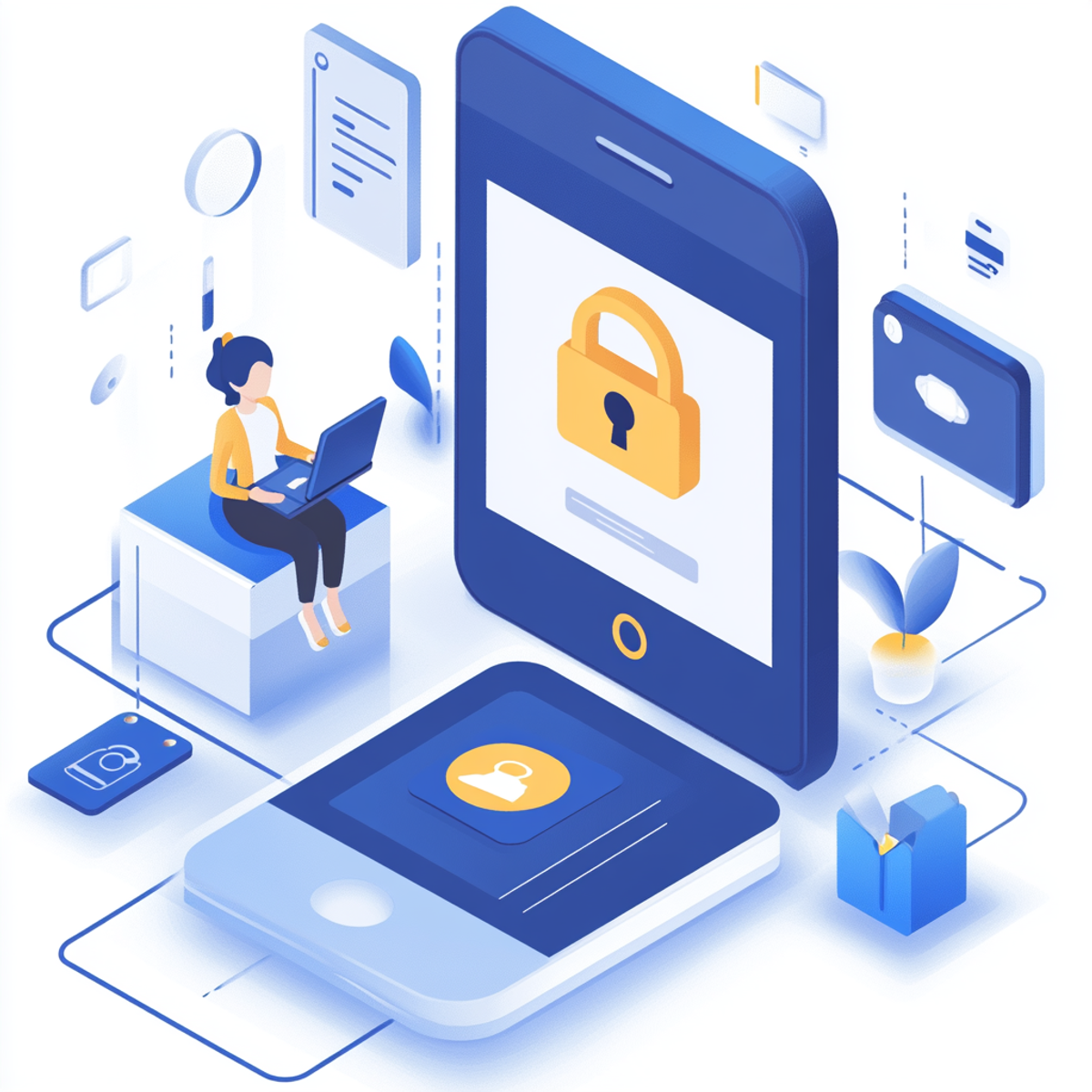
Outsourcing IT projects offers significant advantages, including cost savings, access to specialized skills, and faster project delivery. However, one of the biggest concerns when outsourcing IT projects is data security. Handing over sensitive information to external vendors or third-party developers introduces the risk of data breaches, intellectual property theft, and non-compliance with data protection regulations. For companies outsourcing IT projects, protecting their data while benefiting from outsourcing is essential.
In this article, we’ll explore strategies and best practices to outsource IT projects without compromising data security, ensuring your business remains protected from potential threats.
1. Conduct a Thorough Vendor Risk Assessment
Why a Vendor Risk Assessment is Critical
Before choosing an outsourcing partner, it’s essential to evaluate the vendor’s security posture to ensure they follow stringent security measures. The risk assessment should include a review of the vendor’s past performance, security certifications, and experience with handling sensitive data.
Key Factors to Evaluate:
- Security Certifications: Verify if the vendor is compliant with security standards like ISO 27001, SOC 2, or GDPR (if applicable). These certifications indicate that the vendor has implemented industry-standard security practices.
- Data Handling Policies: Ensure the vendor has documented data protection policies, including how they manage, store, and access sensitive data.
- Security Audits: Ask the vendor if they perform regular security audits and risk assessments to identify potential vulnerabilities.
- Experience in Similar Projects: Ensure the vendor has experience handling IT projects that involve sensitive or regulated data similar to your business.
Choose vendors with a proven track record in data security, and ask for case studies or references from previous clients to assess how well they’ve protected sensitive data in past projects.
2. Sign a Comprehensive Non-Disclosure Agreement (NDA)
Protecting Confidential Information
One of the most fundamental steps in outsourcing IT projects is signing a legally binding Non-Disclosure Agreement (NDA). An NDA ensures that the vendor is legally obligated to protect your company’s confidential information and prevents them from disclosing or using it without permission.
Key Elements of an NDA:
- Definition of Confidential Information: Clearly define what constitutes confidential information, including source code, business strategies, customer data, and intellectual property.
- Restrictions on Use and Disclosure: The vendor should be restricted from using your confidential information for any purpose other than the outsourced project.
- Duration: Specify how long the NDA will be in effect, ensuring that confidentiality obligations remain even after the project is completed.
- Penalties for Breaches: Outline the legal consequences and financial penalties in the event of a breach of the NDA.
Work with legal counsel to draft a robust NDA that protects your business. Ensure that the vendor signs the NDA before sharing any sensitive data or project information.
3. Limit Data Access Based on the Principle of Least Privilege
Minimizing Data Access to Reduce Risk
To minimize security risks, it’s essential to grant the outsourcing vendor access only to the data and systems they need to perform their tasks-a practice known as the principle of least privilege. By restricting access, you reduce the chances of unauthorized personnel viewing or mishandling sensitive information.
Steps to Implement the Principle of Least Privilege:
- Role-Based Access Control (RBAC): Assign specific roles to team members and limit their access to only the systems and data necessary for their tasks. For example, a developer may only need access to the development environment, not the production database.
- Use Temporary Access: For short-term or high-risk tasks, provide time-limited access that automatically expires once the task is completed.
- Regularly Review Permissions: Conduct regular audits of user access to ensure that only authorized individuals have the necessary privileges, and remove access for individuals no longer working on the project.
Utilize Identity and Access Management (IAM) tools to track and control who has access to your data and systems. These tools provide visibility into access patterns and can help identify potential risks.
4. Encrypt Data Both at Rest and In Transit
Data Encryption for Enhanced Security
Encryption is one of the most effective ways to protect sensitive data from unauthorized access. By encrypting data both at rest (stored data) and in transit (data being transferred), you can ensure that even if data is intercepted or accessed by unauthorized parties, it remains unreadable without the proper decryption keys.
Best Practices for Data Encryption:
- Encrypt Sensitive Data at Rest: Ensure that all sensitive data stored on servers, databases, or cloud systems is encrypted. Use strong encryption algorithms such as AES-256 to secure your data.
- Use SSL/TLS for Data in Transit: Secure data being transmitted over networks using SSL/TLS encryption protocols. This protects data from being intercepted by attackers during transfer between systems or across the internet.
- Key Management: Implement robust encryption key management practices. Ensure that encryption keys are stored securely and that only authorized personnel have access to them.
Ask your outsourcing partner to implement encryption across all stages of the project and ensure that sensitive data is encrypted when being shared between your company and the vendor.
5. Implement Multi-Factor Authentication (MFA)
Strengthening Authentication Measures
To add an extra layer of security, require the use of multi-factor authentication (MFA) for any system access by the outsourcing vendor. MFA ensures that even if a user’s password is compromised, unauthorized access is still prevented by requiring additional verification steps, such as:
- A one-time code sent to a mobile device.
- Biometric verification (fingerprint, face recognition).
- A hardware token or app-based authentication (e.g., Google Authenticator, Authy).
Benefits of MFA:
- Reduced Risk of Account Compromise: MFA significantly lowers the chances of unauthorized access, even in the event of password theft or phishing attacks.
- Enhanced Accountability: Using MFA ensures that only authorized users can access sensitive systems, improving accountability for system access.
Mandate MFA for all users involved in the project, including internal team members and external vendor personnel, especially for remote access to critical systems.
6. Ensure Compliance with Data Protection Regulations
Meeting Regulatory Requirements
If your IT project involves handling personal data, you need to ensure that your outsourcing vendor complies with relevant data protection regulations, such as GDPR, HIPAA, or CCPA. Non-compliance with these regulations can result in hefty fines and legal complications.
Steps to Ensure Compliance:
- Data Processing Agreement (DPA): For vendors handling personal data, draft a Data Processing Agreement that outlines how the vendor will process, store, and protect personal data in compliance with the applicable regulations.
- Data Anonymization: Consider anonymizing or pseudonymizing sensitive data before sharing it with the vendor. This reduces the risk of exposing personally identifiable information (PII) if a breach occurs.
- Vendor Compliance Audits: Ensure that your vendor adheres to the same compliance standards as your organization by conducting periodic audits and requesting evidence of regulatory compliance, such as certifications or audit reports.
If outsourcing involves international vendors, pay attention to cross-border data transfer regulations, ensuring that data is transferred securely and complies with applicable regional laws.
7. Regularly Monitor and Audit Vendor Activities
Continuous Monitoring for Security Assurance
Once the project is underway, it’s essential to continuously monitor the vendor’s activities to ensure that security protocols are being followed. Implement real-time monitoring and auditing tools to track:
- Data access logs: Review logs of who accessed sensitive data and when. This helps identify suspicious activity or unauthorized access.
- System changes: Monitor system configurations and any changes made by the vendor to ensure that they align with security policies.
- Compliance with SLAs: Regularly review service level agreements (SLAs) to ensure the vendor is meeting performance and security standards.
Use Security Information and Event Management (SIEM) tools to collect and analyze security data in real-time, enabling quicker detection of potential threats and ensuring vendor accountability.
8. Establish Incident Response and Contingency Plans
Preparing for Data Breaches
Despite the best efforts, data breaches or security incidents may still occur. It’s critical to include a well-defined incident response plan in your contract, outlining how both parties will respond to data breaches or security incidents.
Key Components of an Incident Response Plan:
- Notification Requirements: The vendor should notify your business immediately if they detect a security breach or suspect unauthorized access to sensitive data.
- Mitigation Procedures: Define steps that the vendor must take to contain and mitigate the impact of the breach, such as isolating affected systems, revoking access, and securing data.
- Post-Incident Review: After an incident is resolved, conduct a post-incident review to identify what went wrong and how future incidents can be prevented.
Incorporate a disaster recovery and business continuity plan into the contract, ensuring that your IT project can continue in case of a security incident or data loss.
Outsourcing IT projects can provide businesses with numerous benefits, but it’s crucial to protect your data at every stage of the project. By conducting thorough vendor assessments, encrypting data, enforcing access controls, and ensuring compliance with data protection regulations, businesses can mitigate the risks associated with outsourcing while maximizing the benefits. A robust data security strategy, combined with a clear contract that defines security obligations and incident response procedures, will ensure that your IT projects are completed without compromising sensitive information.
Data security is critical when outsourcing IT projects.
Versatile’s outsourcing solutions prioritize your company’s security at every step. Schedule a consultation today to learn how we can safeguard your data while delivering excellent results!
Read more
Hidden Costs of Offshoring

Outsourcing Development in India vs. Other Countries: A Comparative Analysis

AirBNB - Case Study AirBnB - Case Study AirBnB
Get in Touch
Our excellent customer support team is ready to help.
Email address Subscribe Error. Your form has not been submitted This is what the server says: There must be an @ at the beginning. I will retry Reply Uh oh! I will retry

Request Your Invite – Exclusive Roundtable
This invite-only discussion is only for agency owners with 50-200 employees.
Full Name Company website Title Email address Phone number Submit details Error. Your form has not been submitted This is what the server says: There must be an @ at the beginning. I will retry Reply Uh oh! I will retry ×
Offshore Your Dream Global Team
Build your offshore team without the hassle of setting up a local entity.
Get in Touch
Tell us where you are on the decision.
A role you want to hire, a team you want moved, or just the two routes to compare. A named person replies in 4 to 6 hours.
What the first call covers
30 minutesA cost comparison for your headcount, on your numbers, both routes.
- A written cost breakdown
- Entity documents before the call
- PF, ESI, TDS, termination law
- No follow-up sequence
You pick the time, we send a Meet link. Any timezone.